



Introduction
Window Louvres NZ Explained: Functionality, Style, and Practical Uses is an essential topic for homeowners, architects, and builders who want to better understand how louvre systems enhance modern living spaces. In New Zealand, where weather conditions can shift quickly, window louvres offer a smart balance of ventilation, light control, and aesthetic appeal. This guide breaks down their key benefits and why they continue to grow in popularity.
Functionality and Performance
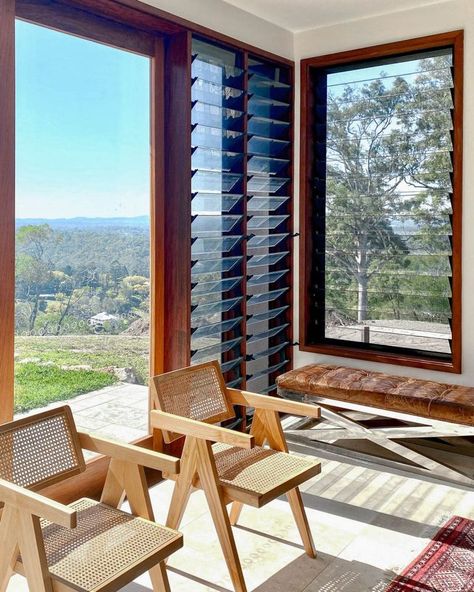
When looking at window louvres nz Explained: Functionality, Style, and Practical Uses, the first thing to understand is how they work. Window louvres are designed with adjustable slats that can be angled to control airflow, sunlight, and privacy. This makes them highly practical for climates that require flexible ventilation solutions.
Beyond airflow control, louvres also help with energy efficiency. By allowing natural ventilation, they reduce reliance on air conditioning and improve indoor comfort throughout the year. Their design also helps manage rain protection while still permitting fresh air circulation, which is particularly useful in coastal and high-humidity regions of New Zealand.
Style and Design Options
Another important aspect of Window Louvres NZ Explained: Functionality, Style, and Practical Uses is their design versatility. Modern louvre systems are available in a wide range of materials such as aluminium, glass, and timber-look finishes, allowing them to complement both contemporary and traditional architecture.
Aluminium louvres are especially popular due to their durability and low maintenance requirements. Meanwhile, glass louvres provide a sleek, modern aesthetic while still offering excellent light control. With various colors, frame styles, and configurations available, homeowners can easily match louvres to their overall design vision.
Practical Uses in New Zealand Buildings
A key reason for exploring Window Louvres NZ Explained: Functionality, Style, and Practical Uses is to understand where and how they are used. In residential homes, louvres are commonly installed in living rooms, kitchens, and bathrooms to improve airflow and reduce moisture buildup.
In commercial buildings, they are often used to regulate indoor temperatures and improve energy efficiency across large spaces. Schools, offices, and hospitality venues also benefit from their ability to provide natural ventilation while maintaining security and weather protection.
Conclusion
In summary, window louvres are a practical and stylish solution for managing light, airflow, and comfort in both homes and commercial buildings. Understanding Window Louvres NZ Explained: Functionality, Style, and Practical Uses helps highlight why these systems remain a preferred choice in modern New Zealand architecture. Their combination of efficiency, durability, and design flexibility makes them a valuable investment for any property.