



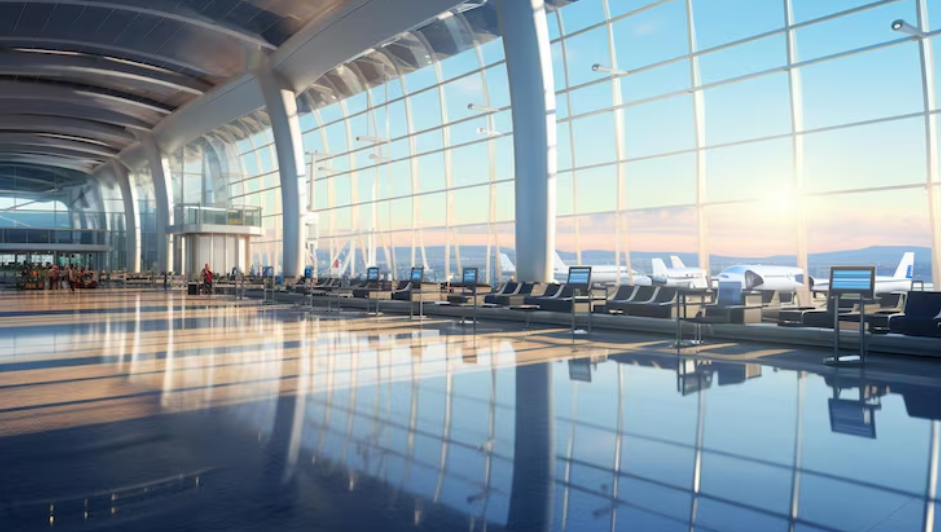
Airports are busy environments where aircraft, vehicles, equipment, announcements, and large crowds can create significant noise. Without proper sound control, this noise can make communication difficult and reduce comfort for passengers and employees. Effective acoustic solutions can help manage these problems and create a better environment. Acoustical JBD provides approaches that can help airport facilities reduce unwanted noise while maintaining their essential operations.
Understanding Noise Problems in Airport Facilities
Airports have many different sources of noise. Aircraft engines can produce very high sound levels, while baggage systems, service vehicles, ventilation equipment, and public announcements add to the overall noise. Inside terminals, hard surfaces such as concrete, glass, and metal can reflect sound, making the environment even louder.
Because airports operate continuously and contain many different areas, noise control requires careful planning. Identifying the main sources of unwanted sound is an important first step toward choosing suitable acoustic solutions.
How Acoustical JBD Supports Better Noise Control
Acoustical JBD can help address noise concerns by using suitable acoustic materials and sound-control methods. These solutions can be applied to walls, ceilings, partitions, and other areas where unwanted sound needs to be reduced.
Acoustic panels and sound-absorbing materials can help limit sound reflections inside large terminal spaces. When sound is absorbed rather than repeatedly reflected, conversations and announcements can become easier to understand. This can also make busy areas feel less stressful and more comfortable.
Improving Communication and Passenger Comfort
Clear communication is essential at an airport. Travelers need to hear gate changes, boarding announcements, safety instructions, and other important information. Excessive background noise can make these messages difficult to understand.
With effective acoustic treatment, Acoustical JBD can help improve speech clarity in passenger areas. Reducing unnecessary background sound allows important announcements to stand out more clearly. A quieter environment can also make waiting areas more comfortable for travelers.
Creating Better Workspaces for Airport Employees
Airport employees often work near baggage equipment, mechanical systems, vehicles, and other sources of noise. Constant background noise can make communication harder and create an uncomfortable working environment.
Acoustic solutions can help separate noisy operational areas from offices, staff rooms, and other quieter spaces. Acoustical JBD can contribute to creating workplaces where employees can communicate more easily and complete their responsibilities with fewer distractions.
Controlling Noise From Mechanical Systems
Heating, ventilation, and cooling equipment can create unwanted mechanical noise throughout an airport. If these systems are located near offices, passenger areas, or other occupied spaces, the noise can become distracting.
Proper acoustic planning can help limit the transmission of mechanical sounds. Acoustical JBD can support the use of suitable sound-absorbing and noise-control solutions around these areas, helping maintain comfort while essential equipment continues to operate efficiently.
Building a More Comfortable Airport Environment
Good acoustic design is an important part of modern airport facilities. It can help improve passenger comfort, employee working conditions, communication, and the overall experience within the building. By addressing different sources of unwanted sound, Acoustical JBD can help facilities create spaces that are more pleasant and functional.
Conclusion
Noise is an unavoidable part of airport operations, but it can be managed through proper acoustic planning and suitable materials. Acoustical JBD can help reduce unwanted sound in terminals, work areas, and spaces affected by mechanical equipment. Effective noise control can improve communication, increase comfort, and support a more productive airport environment for passengers and employees.