



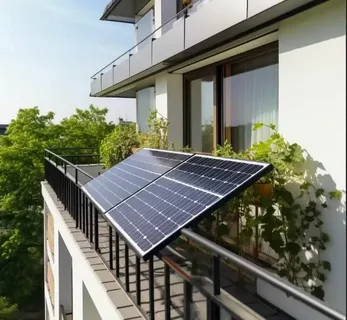
As energy costs rise and environmental concerns grow, more homeowners are turning to solar power to reduce electricity bills and minimize their carbon footprint. But with so many options available, choosing the best solar system for home can feel overwhelming. This comprehensive guide will walk you through everything you need to know to make an informed decision.
Why Invest in a Solar System for Your Home?
Installing a solar system has multiple benefits:
- Cost Savings: Generate your own electricity and reduce or even eliminate monthly utility bills.
- Environmental Impact: Solar energy is renewable and reduces greenhouse gas emissions.
- Energy Independence: Reduce dependence on the grid and protect against rising electricity rates.
- Increased Property Value: Homes with solar systems are often more attractive to buyers.
Understanding these benefits is the first step in choosing the best solar system for home.
Key Factors to Consider When Choosing a Solar System
Before making a purchase, consider these essential factors:
1. Energy Needs and Consumption
Calculate your household’s average electricity consumption. Look at your utility bills over the past year to determine your daily and monthly usage. This information will help determine the system size you need.
2. Roof Space and Orientation
Your roof’s size, angle, and direction affect solar panel efficiency. South-facing roofs with minimal shade typically provide the best results.
3. Types of Solar Systems
There are three main types:
- Grid-Tied Systems: Connected to the utility grid; excess energy can be sold back.
- Off-Grid Systems: Independent of the grid; requires battery storage.
- Hybrid Systems: Combines both grid-tied and off-grid benefits.
Choosing the right type depends on your energy goals, location, and budget.
4. Solar Panel Quality and Efficiency
Not all solar panels are created equal. Look for panels with high efficiency and a strong warranty. Brands with proven reliability often perform better over time.
5. Cost and Financing Options
The upfront cost can vary widely. Consider options like government incentives, tax credits, and solar loans to make the investment more affordable.
Steps to Installing a Solar System at Home
- Site Assessment: A professional will evaluate your roof and energy requirements.
- System Design: Experts design a system tailored to your home.
- Permits and Approvals: Necessary paperwork must be filed with local authorities.
- Installation: Certified installers mount panels and connect the system.
- Inspection and Activation: After inspection, your solar system begins generating electricity.
Tips for Maintaining Your Solar System
Regular maintenance ensures optimal performance:
- Clean panels periodically to remove dust and debris.
- Check for shading issues as trees grow.
- Monitor energy output to detect any drop in performance.
Proper upkeep can extend the life of your solar system and maximize returns.
Conclusion
Investing in solar energy is a smart way to save money, protect the environment, and increase your home’s value. By carefully evaluating your energy needs, roof conditions, and budget, you can confidently choose the best solar system for home. This buyer’s guide provides all the essential information to make an informed decision and enjoy the benefits of clean, renewable energy for years to come.