



Tension headaches are one of the most common forms of head pain in modern life, and they are often misunderstood. While they feel like a problem in the head, the real source is frequently in the upper body—especially the neck, shoulders, and upper back. When these muscles become tight and overworked, they create pressure patterns that radiate upward, resulting in dull, persistent headaches that can last for hours or even days.
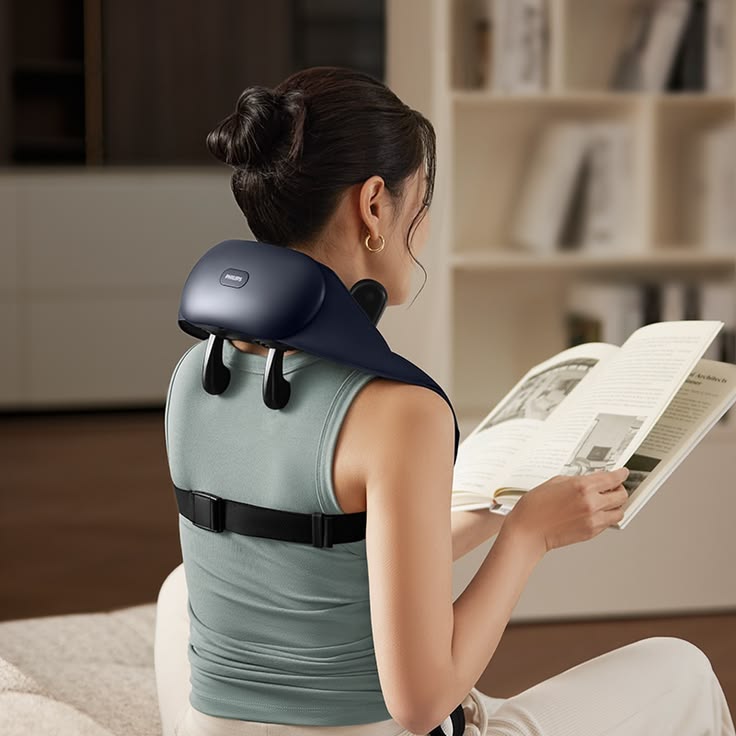
Neck and Shoulder Massager have become an increasingly popular solution for this issue because they target the root cause rather than just the symptoms. By releasing muscle tension in the trapezius and surrounding regions, these devices help reduce the physical triggers that contribute to tension headaches.
Why Tension Headaches Start in the Shoulders
Tension headaches are closely linked to muscle strain in the upper body. The muscles in the neck and shoulders play a key role in supporting the head and maintaining posture throughout the day. When these muscles become fatigued or tight, they can affect nerve pathways and blood flow, leading to head pain.
Posture-Related Strain
One of the main causes is poor posture, especially forward head positioning. This posture increases the load on the upper trapezius and neck muscles, forcing them to work harder than normal. Over time, this creates chronic tightness that can trigger headaches.
Muscle Overuse and Fatigue
Long hours of sitting, repetitive tasks, or carrying stress in the shoulders can lead to muscle fatigue. When muscles are overworked without proper recovery, they form tight bands and trigger points that contribute to referred pain in the head.
Stress and Emotional Tension
Stress plays a major role in tension headaches. Many people unknowingly tighten their shoulders when under pressure. This continuous contraction reduces blood flow and increases muscle sensitivity, which can eventually lead to headache symptoms.
The Connection Between Shoulder Tension and Head Pain
The link between shoulder tension and headaches is based on how muscles, nerves, and blood vessels interact. Tight muscles in the neck and shoulders can compress nearby nerves and restrict circulation, which sends pain signals upward into the head.
The upper trapezius and suboccipital muscles are especially important in this process. When they become tight, they can create a chain reaction of discomfort that spreads from the shoulders to the base of the skull and into the forehead.
This is why treating only the head often provides temporary relief, while addressing shoulder tension can produce longer-lasting results.
How Shoulder Massagers Target the Root Cause
Shoulder massagers are designed to focus directly on the muscles that contribute to tension headaches. Instead of simply relaxing the surface, they apply structured pressure to deeper muscle layers.
1. Deep Kneading Action
Most shoulder massagers use rotating or rolling nodes that simulate human hands. This kneading motion helps loosen tight muscle fibers in the trapezius and upper back.
By breaking down tension in these areas, the device reduces the physical triggers that often lead to headaches.
2. Trigger Point Relief
Muscle knots, also known as trigger points, are a major source of referred pain. Shoulder massagers apply concentrated pressure to these points, helping to release tension and reduce pain signals that travel to the head.
3. Improved Blood Circulation
Massage increases blood flow to tight muscles, delivering oxygen and nutrients while removing metabolic waste. Improved circulation reduces stiffness and helps muscles recover more efficiently.
Better circulation in the neck and shoulders also reduces pressure buildup that contributes to headache development.
4. Heat Therapy for Muscle Relaxation
Many shoulder massagers include heat functions that warm the muscles before and during massage. Heat helps relax tight fibers and makes them more responsive to pressure.
This combination of heat and kneading is especially effective for chronic tension and stress-related discomfort.
5. Rhythmic Compression and Release
Alternating pressure patterns mimic the techniques used in professional massage therapy. This rhythmic action helps muscles relax gradually rather than resisting sudden force.
It also helps activate the body’s natural relaxation response, reducing overall stress levels.
Why Shoulder Massagers Are Effective for Tension Headaches
The effectiveness of shoulder massagers lies in their ability to treat the source of the problem rather than the symptoms. Instead of targeting the headache itself, they focus on the muscle groups that create the pressure leading to pain.
Addressing the Root Cause
By relaxing the trapezius and neck muscles, shoulder massagers reduce the mechanical stress that contributes to headache formation.
Preventing Pain Build-Up
Regular use can help prevent muscle tension from accumulating in the first place, reducing the frequency of headaches over time.
Supporting Nervous System Relaxation
Massage activates the parasympathetic nervous system, which helps the body shift from stress mode to relaxation mode. This reduces muscle guarding and overall tension.
Best Areas to Target for Headache Relief
For maximum effectiveness, shoulder massagers should focus on key tension zones:
- Upper trapezius (top of shoulders)
- Base of the skull (suboccipital region)
- Neck sides (sternocleidomastoid area)
- Upper back between shoulder blades
These areas are most commonly associated with tension headache development.
How to Use Shoulder Massagers for Headache Prevention
Proper usage can significantly improve results.
Short Daily Sessions
10 to 15 minutes per session is often enough to reduce muscle tension without overstimulation.
Moderate Intensity First
Starting with lower settings helps muscles relax gradually before deeper pressure is applied.
Consistent Use
Regular sessions are more effective than occasional long treatments. Consistency helps prevent tension from building up.
Combine with Relaxation Techniques
Deep breathing or resting in a quiet environment enhances the effects of massage therapy.
When Shoulder Massagers Work Best
These devices are particularly effective:
- After long work hours
- During stress-heavy days
- After prolonged screen use
- Before bedtime to unwind
They are especially helpful for individuals with desk-based lifestyles.
Limitations to Keep in Mind
While shoulder massagers are highly effective for tension-related headaches, they are not a cure for all types of headaches. They may not help with migraines, sinus-related pain, or neurological conditions.
They work best as part of a broader wellness routine that includes posture correction, hydration, movement, and stress management.
A Practical Solution for Modern Pressure
Tension headaches are often a reflection of modern lifestyle habits. Long hours of sitting, constant device use, and mental stress all contribute to upper body strain.
Shoulder massagers offer a practical and accessible way to address this problem at its source. By focusing on the muscles that create pressure, they help reduce both the intensity and frequency of tension headaches over time.
Final Thoughts
Shoulder massagers are more than relaxation tools—they are targeted therapy devices designed to relieve the physical stress that leads to tension headaches. Through kneading, heat, and pressure, they help restore balance to the upper body and reduce strain on the head.
For anyone dealing with recurring tension headaches, especially those linked to posture or stress, consistent use of a shoulder massager can be a simple yet effective step toward long-term relief and improved daily comfort.