



In recent years, the agricultural sector has undergone a significant transformation due to technological advancements. Among these innovations, precision agriculture has emerged as a powerful tool for improving productivity while promoting sustainability. The role of precision agriculture in sustainable crop management is crucial, as it allows farmers to optimize resources, reduce environmental impact, and enhance crop yields.
Understanding Precision Agriculture
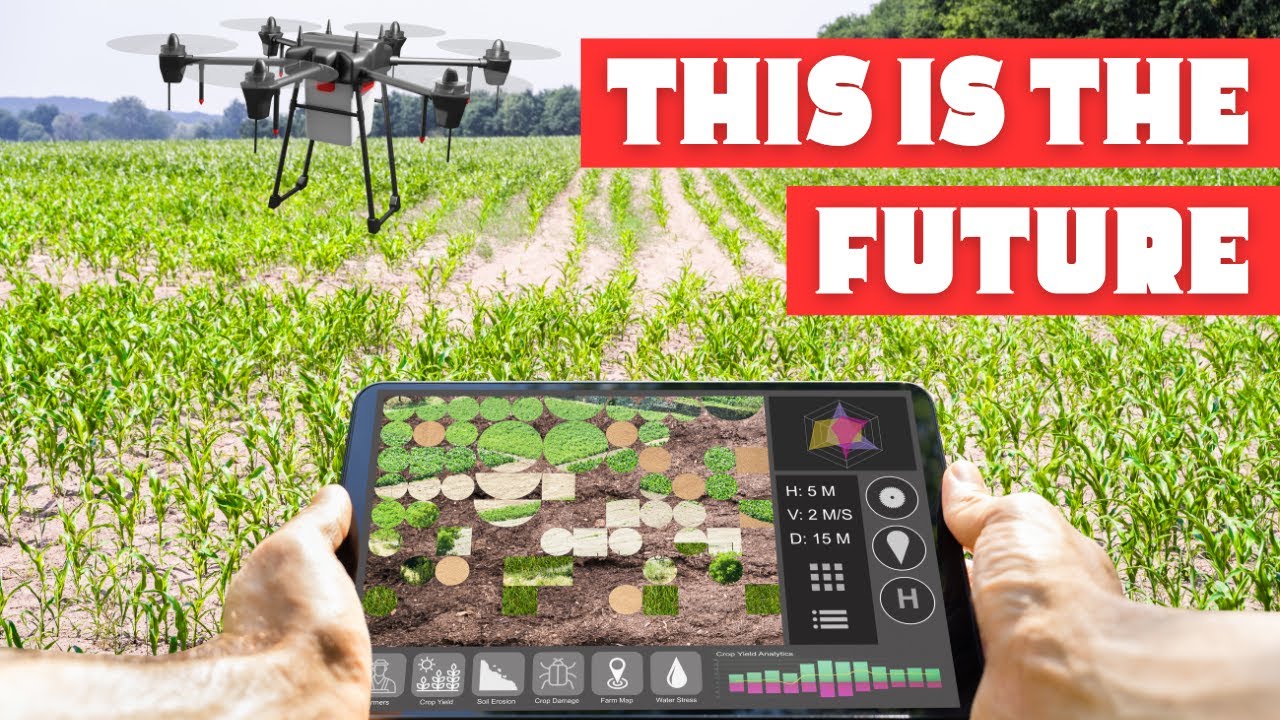
Precision agriculture refers to the use of technology, data analytics, and modern equipment to monitor and manage crops with high accuracy. Tools such as GPS-guided machinery, drones, soil sensors, and satellite imagery enable farmers to collect precise information about their fields. This data-driven approach ensures that inputs like water, fertilizers, and pesticides are applied in the right quantity, at the right time, and in the right location.
Benefits for Sustainable Crop Management
Efficient Resource Utilization
One of the primary advantages of precision agriculture is the efficient use of natural resources. By identifying specific areas of a field that require attention, farmers can minimize waste and reduce overuse of fertilizers and chemicals. This not only saves costs but also prevents soil degradation and water pollution.
Environmental Protection
By optimizing input application, precision agriculture reduces the environmental footprint of farming activities. It helps lower greenhouse gas emissions, decreases runoff into water bodies, and promotes healthier ecosystems. Clearly, the role of precision agriculture in sustainable crop management extends beyond yield improvement—it supports environmental stewardship.
Enhanced Crop Productivity
Precision agriculture enables farmers to make informed decisions based on real-time data. Understanding soil health, moisture levels, and pest infestations allows for timely interventions, leading to higher crop productivity and improved quality. Consequently, farmers can achieve better food security while maintaining sustainability.
Challenges and Future Prospects
Despite its benefits, the adoption of precision agriculture faces challenges such as high initial costs, technical knowledge requirements, and data management complexities. However, ongoing research and innovations are making these technologies more accessible to farmers worldwide. As technology evolves, the role of precision agriculture in sustainable crop management will become even more central to modern farming practices.
Conclusion
In conclusion, precision agriculture represents a transformative approach to farming, balancing productivity with environmental responsibility. By enabling efficient resource use, reducing ecological impact, and enhancing crop yields, it plays a pivotal role in shaping the future of sustainable agriculture. Recognizing and investing in precision agriculture is essential for ensuring a resilient and sustainable food system.
