



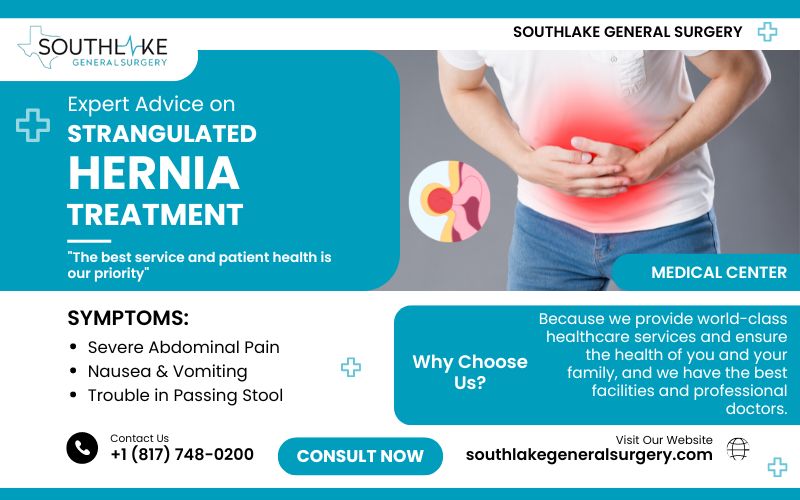
Hernias are a common medical condition that occurs when an internal organ or tissue pushes through a weak spot in the surrounding muscle or connective tissue. Choosing the right hernia treatment is essential for preventing complications and improving quality of life. There are primarily two approaches: surgical and non-surgical. Each method has its indications, benefits, and risks.
Understanding Hernias
A hernia can develop in various parts of the body, most commonly in the abdomen, groin, or diaphragm. Common types include inguinal, femoral, umbilical, and hiatal hernias. Symptoms often include a noticeable bulge, discomfort, or pain, especially during physical activity. Left untreated, some hernias can lead to serious complications, such as obstruction or strangulation of the affected organ.
Non-Surgical Hernia Treatment
Non-surgical approaches are often considered for patients with small, asymptomatic hernias or those who may not be suitable candidates for surgery due to age or underlying health conditions. Non-surgical hernia treatment options include:
- Lifestyle Modifications: Maintaining a healthy weight, avoiding heavy lifting, and addressing chronic cough or constipation can reduce strain on the affected area.
- Supportive Devices: Hernia belts or trusses can provide temporary relief by supporting the weakened area.
- Medication: Pain relievers and anti-inflammatory medications can help manage discomfort.
While non-surgical approaches may alleviate symptoms, they do not cure the hernia. Long-term reliance on these methods may result in the hernia worsening over time.
Surgical Hernia Treatment
Surgery is the definitive treatment for most hernias. The goal is to repair the weakened muscle or tissue and prevent complications. Surgical hernia treatment can be performed using two main techniques:
- Open Surgery: Involves making an incision near the hernia site to push the protruding tissue back and reinforce the area with stitches or mesh.
- Laparoscopic Surgery: A minimally invasive procedure using small incisions and a camera to repair the hernia, often resulting in shorter recovery time and less post-operative pain.
Surgery is generally recommended for larger hernias, symptomatic hernias, or those at risk of complications. Recovery time varies depending on the type of surgery, patient health, and adherence to post-operative care.
Comparing Surgical and Non-Surgical Approaches
| Factor | Non-Surgical | Surgical |
| Cure | No | Yes |
| Risk of Complications | Higher if hernia progresses | Lower if performed timely |
| Recovery Time | Immediate but symptom-focused | Varies; usually weeks |
| Invasiveness | Non-invasive | Invasive |
The choice between surgical and non-surgical hernia treatment depends on the hernia’s size, location, severity, and patient-specific factors. Consulting a healthcare professional is essential to determine the most appropriate approach.
Conclusion
Hernia management requires careful consideration of both surgical and non-surgical options. While non-surgical approaches may offer temporary relief and symptom management, surgery remains the definitive solution for long-term correction and prevention of complications. Patients should discuss their symptoms, risks, and lifestyle factors with a qualified medical professional to choose the most suitable hernia treatment plan.
