



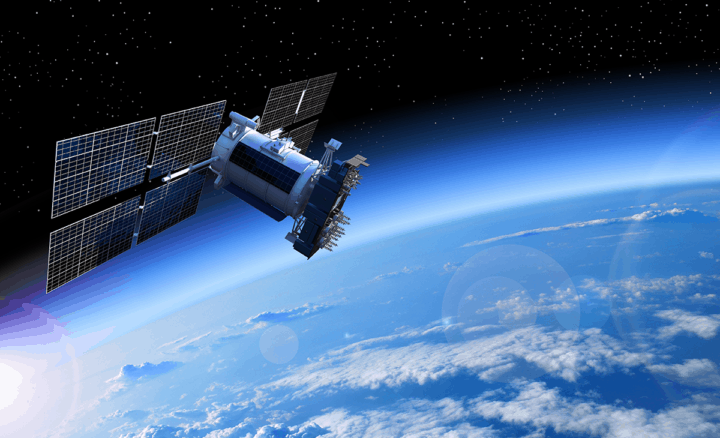
In today’s rapidly evolving technological landscape, the integration of Global Navigation Satellite Systems (GNSS) and the Internet of Things (IoT) has emerged as a pivotal driver of innovation. Together, these two technologies enable a wide range of applications, from smart cities to intelligent devices, creating more efficient, connected, and sustainable urban environments. This article explores the intersection of GNSS system and IoT, highlighting their role in shaping the future of smart cities and devices.
What is GNSS and IoT?
Before diving into how GNSS and IoT intersect, it is essential to understand what each of these technologies entails.
Global Navigation Satellite System (GNSS)
GNSS refers to a group of satellite systems that provide geospatial positioning information to users around the globe. GNSS includes well-known systems like the American GPS, the Russian GLONASS, the European Galileo, and the Chinese BeiDou. GNSS technology allows for accurate location tracking, time synchronization, and navigation in real-time, which is essential for various applications in different industries.
Internet of Things (IoT)
The Internet of Things (IoT) refers to a network of interconnected devices that communicate and share data with one another over the internet. These devices, ranging from smart thermostats and wearables to connected cars and industrial machinery, collect and exchange data to optimize operations, improve user experiences, and enable automation.
The Role of GNSS in Enabling IoT Devices
The integration of GNSS into IoT devices has significantly enhanced their functionality. By incorporating GNSS technology, IoT devices can now access real-time location data, enabling a wide range of applications that were previously difficult or impossible to achieve.
Enhanced Precision for IoT Applications
One of the key advantages of GNSS integration in IoT devices is the enhanced precision it offers. For example, in transportation and logistics, GNSS provides accurate geospatial data for fleet tracking, route optimization, and asset management. Similarly, in agriculture, precision farming technologies use GNSS to track equipment, monitor crop health, and optimize irrigation, improving both productivity and sustainability.
Enabling Location-Based Services
Many IoT applications rely on location-based services (LBS) to deliver personalized, context-aware experiences. For instance, smart city solutions can use GNSS data to offer real-time traffic updates, guide emergency services to precise locations, and provide location-specific advertisements or promotions. As more IoT devices are deployed, GNSS plays a crucial role in ensuring these services are accurate and reliable.
GNSS and IoT in Smart Cities
The intersection of GNSS and IoT is especially transformative in the context of smart cities. Smart cities use technology to enhance the quality of life for residents, improve sustainability, and streamline city management. GNSS technology provides the foundation for many of these innovations.
Intelligent Traffic Management
In a smart city, GNSS-enabled IoT devices help manage traffic flow more efficiently. Real-time location data from connected vehicles, along with GNSS-based infrastructure like smart traffic lights, can automatically adjust traffic patterns based on congestion levels, accidents, or other factors. This not only reduces travel time but also lowers carbon emissions and improves overall traffic safety.
Smart Infrastructure and Utilities
Another application of GNSS and IoT in smart cities is in the management of critical infrastructure and utilities. IoT devices, coupled with GNSS, can monitor and maintain infrastructure such as bridges, roads, and water systems. For example, GNSS-enabled sensors can detect shifts in structural integrity, signaling the need for repairs before a major failure occurs. Additionally, smart meters can use GNSS data to track energy consumption in real time and improve the distribution of resources like electricity and water.
The Future of GNSS and IoT: A Seamless Integration
As IoT technology continues to evolve, its convergence with GNSS will only become more profound. Several key trends suggest that this intersection will play an even more significant role in the development of smart cities and devices.
5G and GNSS Integration
With the rollout of 5G networks, the synergy between GNSS and IoT will be further amplified. 5G’s high bandwidth and low latency will enable IoT devices to send and receive data in real time, while GNSS provides location accuracy for these devices. This will unlock even more sophisticated applications in areas like autonomous vehicles, precision agriculture, and urban mobility.
Autonomous Vehicles
One of the most exciting applications of GNSS and IoT is in the development of autonomous vehicles. Self-driving cars rely heavily on GNSS for precise navigation, while IoT sensors and communication networks allow these vehicles to interact with their environment, traffic management systems, and other connected vehicles. As the technology matures, we can expect GNSS and IoT to be at the heart of a new era of transportation.
Conclusion
The intersection of GNSS and IoT is transforming how we live, work, and interact with the world around us. By enabling location-based services, improving the efficiency of smart cities, and enhancing the capabilities of IoT devices, these technologies are paving the way for a more connected, efficient, and sustainable future. As we continue to innovate, the potential for GNSS and IoT to enable even smarter cities and devices seems limitless, promising a world where technology works seamlessly to improve our everyday lives.